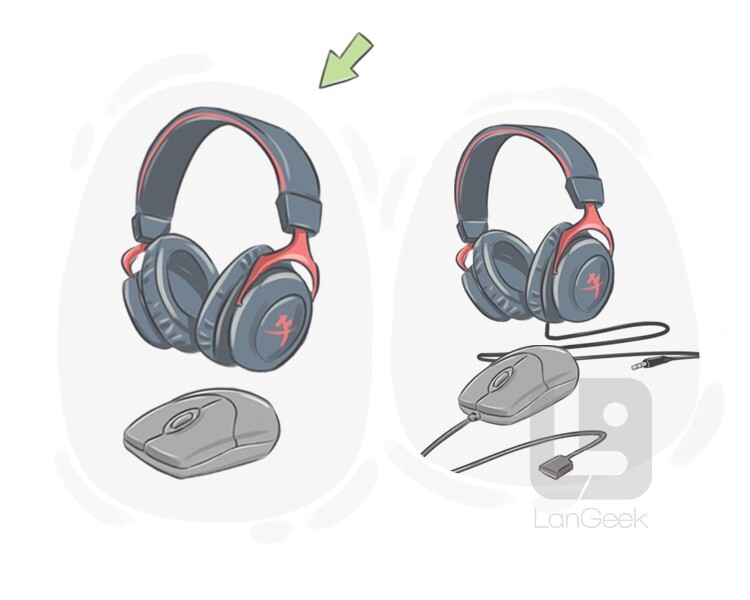
Exploring the Evolution of Wireless Technology: From Corded to Untethered
The journey of wireless technology has dramatically transformed how we connect and communicate. Starting from the era of corded telephones and rudimentary radio transmissions, early innovations set the groundwork for the untethered landscape we navigate today. The introduction of cellular networks in the late 20th century marked a pivotal moment, allowing users to make calls without being physically attached to a line. This evolution continued with the advent of Wi-Fi, which enabled devices to connect to the Internet wirelessly, greatly enhancing productivity and access to information.
As we moved further into the 21st century, the rapid advancement of wireless technology led to the rise of smart devices and the Internet of Things (IoT). Today's consumers expect seamless connectivity, with devices such as smartphones, smart speakers, and wearable technology integrating effortlessly into their daily lives. This evolution not only reflects technological advancements but also highlights changing consumer expectations, emphasizing the need for speed, convenience, and versatility in wireless communication. The journey from corded to untethered serves as a testament to human ingenuity and the relentless pursuit of innovation.
Counter-Strike is a popular first-person shooter game that pits teams of terrorists against counter-terrorists in various game modes. Players must collaborate and strategize to complete objectives or eliminate the opposing team. For those who enjoy gaming and often play for extended periods, ensuring comfort with your audio gear is essential. Check out the Top 10 Earbuds for Small Ears to find the perfect fit for your gaming needs.
How Wireless Connectivity is Shaping Our Work and Personal Lives
Wireless connectivity has fundamentally transformed both our professional and personal lives by enhancing accessibility and flexibility. With the advent of high-speed internet and advanced wireless technologies, individuals can now work remotely from virtually anywhere, breaking away from the traditional office setup. This shift not only boosts productivity but also allows for a better work-life balance, enabling employees to manage their time effectively. Businesses can leverage wireless connectivity to streamline operations and communication, adopting tools that facilitate collaboration among team members, regardless of their geographical locations.
In the realm of personal life, wireless connectivity has revolutionized how we interact and engage with our surroundings. From smart home devices that allow remote control of appliances to social media platforms that connect us with friends and family across the globe, the implications are profound. More than ever, individuals are harnessing the power of wireless technology to enhance their leisure experiences, whether it's streaming high-definition content, attending virtual events, or staying connected with loved ones through video calls. As technology continues to evolve, the influence of wireless connectivity in shaping our daily routines will only grow stronger.
What Are the Benefits and Challenges of Going Wireless?
In today's fast-paced world, going wireless presents a myriad of benefits, both for personal use and business applications. One of the primary advantages is the increased mobility it offers. Users can connect to the internet or communicate without being tethered to a wall socket, allowing for greater flexibility and efficiency. Additionally, wireless technology often leads to reduced costs related to wiring and infrastructure, making it an attractive option for companies seeking to minimize expenses. Moreover, advancements in wireless security protocols have made it possible to protect data while enjoying the conveniences of wireless connections.
However, despite the many advantages, there are notable challenges of going wireless. One major concern is potential connectivity issues, which can arise from interference, physical barriers, or network congestion. This can lead to frustrating slowdowns or dropped connections. Furthermore, security remains a significant challenge, as wireless networks can be more vulnerable to unauthorized access compared to their wired counterparts. Users must take precautions, such as using strong passwords and up-to-date encryption methods, to safeguard their information and ensure a reliable wireless experience.