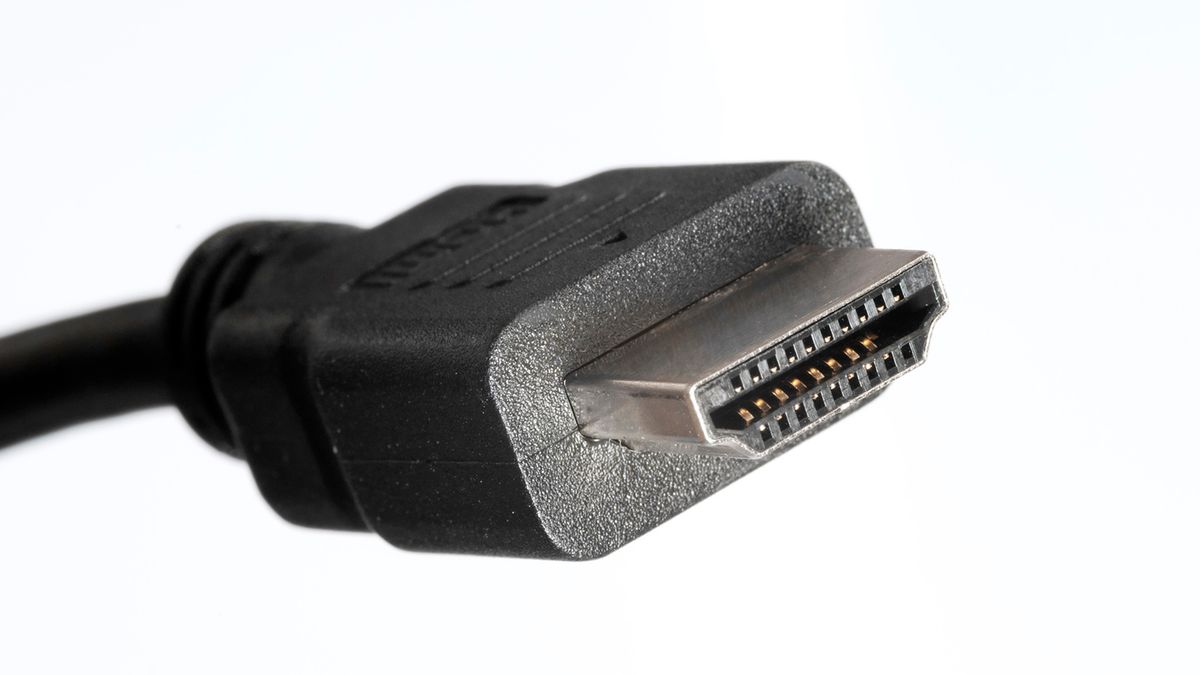
Understanding HDMI Cable Types: Which One is Right for You?
When it comes to choosing the right HDMI cable, understanding the different HDMI cable types is essential. There are several versions of HDMI cables available, each designed to support varying levels of video and audio quality. The basic types include Standard HDMI, High-Speed HDMI, and Premium High-Speed HDMI. The Standard HDMI type is suitable for devices that transmit standard video and audio, while the High-Speed HDMI type is typically used for devices that output 1080p video and 4K resolutions. For those seeking the best performance and features, opting for a Premium High-Speed HDMI cable can ensure support for 4K at 60 frames per second, HDR, and other advanced features.
It's crucial to choose the right HDMI cable type based on your specific needs. Considerations such as the resolution of your devices, the length of the cable run, and additional features like Ethernet capability can influence your decision. For instance, if you're connecting a 4K Blu-ray player to an Ultra HD TV, a High-Speed HDMI cable with Ethernet capability is typically recommended. However, for longer cable runs that may exceed 15 feet, you may want to invest in an Active HDMI cable to guarantee signal integrity over distance. Understanding your setup will help you make an informed decision about which HDMI cable type is right for you.
Counter-Strike is a popular first-person shooter game that has captivated millions of players around the world. It emphasizes teamwork and strategy, allowing players to take on the roles of terrorists or counter-terrorists in various objective-based game modes. For those who enjoy gaming on big screens, check out the Top 10 apple tv streaming accessories to enhance your experience. The competitive scene of Counter-Strike has also developed into a thriving esports environment, showcasing some of the best talent in the gaming world.
Common HDMI Connection Issues and How to Fix Them
HDMI (High-Definition Multimedia Interface) connections have become the standard for video and audio transfer in modern devices, but they can sometimes lead to frustrating issues. Common problems include no signal, distorted images, or audio not working. These issues can arise from various factors such as faulty cables, incompatible devices, or incorrect settings. To troubleshoot, start by checking the HDMI cable for any visible damage and ensure it is securely connected to both the source and display device. If the problem persists, try using a different HDMI cable or port, and check the settings on your devices to ensure they are configured correctly.
If you're still experiencing issues after testing the connection, consider resetting both your source device and display. This can often resolve temporary glitches that disrupt the HDMI signal. Additionally, ensure that your device's software is up to date, as outdated firmware can also lead to compatibility issues. For persistent problems, consult the user manual of your devices for specific troubleshooting steps or seek help from the manufacturer's support. By following these guidelines, you can address most common HDMI connection issues effectively.
The Impact of HDMI Cables on Picture and Sound Quality
The impact of HDMI cables on picture and sound quality is significant, making them a crucial component in modern home theater setups. Unlike their analog predecessors, HDMI (High-Definition Multimedia Interface) cables transmit digital audio and video signals without conversion, resulting in a crisp and clear output. This digital transmission reduces the risk of interference, ensuring that the quality of the signal remains intact over longer distances. In fact, many consumers may notice an immediate improvement in their viewing experience when upgrading from standard AV cables to a high-quality HDMI cable, which provides superior bandwidth capacity and supports high resolutions up to 8K.
Another notable advantage of HDMI cables is their ability to carry multi-channel audio, further enhancing the picture and sound quality experience. With formats like Dolby TrueHD and DTS-HD Master Audio supported through HDMI, users can enjoy lossless audio that matches the fidelity of the visual content. Additionally, the convenience of a single cable reducing clutter while delivering both audio and video signals makes HDMI a popular choice among consumers. It's important to note that not all HDMI cables are created equal; investing in certified, high-speed cables can amplify these benefits, ensuring that your home entertainment setup delivers the ultimate cinematic experience.