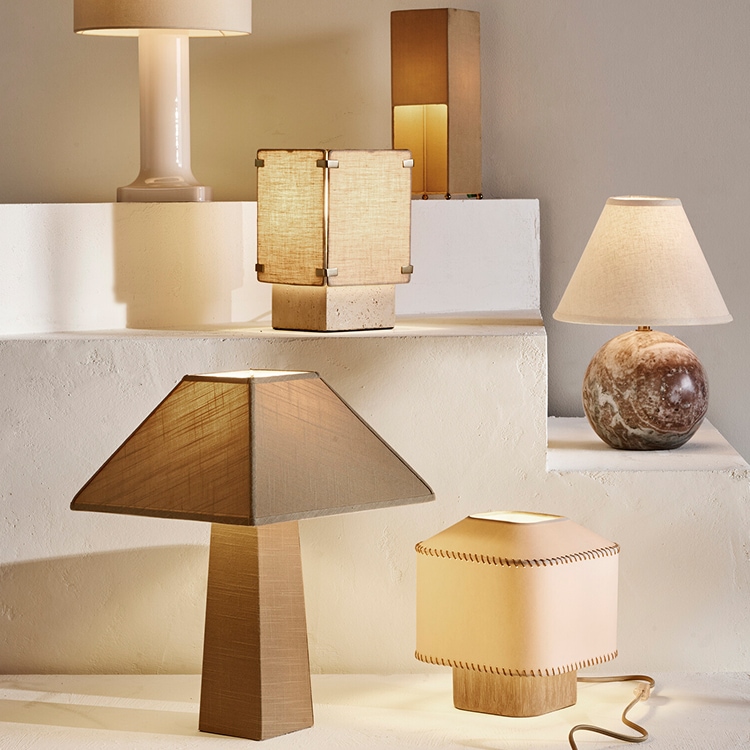
The Psychology of Light: How Different Shades and Intensities Affect Your Mood
The psychology of light plays a significant role in influencing our mood and emotional well-being. Different shades and intensities of light can evoke various feelings, which is why understanding how these factors affect us is essential. For instance, warm colors, such as yellows and oranges, tend to promote feelings of happiness and comfort, making them an excellent choice for social spaces. Conversely, cool colors, like blues and greens, are often associated with calmness and tranquility, making them ideal for relaxation areas. This interplay between light and emotion is not merely anecdotal; studies have shown that exposure to certain wavelengths can trigger physiological responses in our brain, confirming that the psychology of light influences our mental state.
Additionally, the intensity of light also plays a crucial role in our psychological responses. Bright light can enhance alertness and stimulate productivity, which is why bright workspaces are often favored in offices. However, excessive brightness can lead to feelings of anxiety and discomfort. On the other hand, dim lighting can create a sense of relaxation but might lead to feelings of lethargy if overused. It's essential to find a balance that matches not only personal preferences but also the intended activity. By harnessing the psychology of light, individuals can better create environments that foster desired moods and enhance overall well-being.
Counter-Strike is a popular tactical first-person shooter game that has defined competitive gaming for over two decades. Players can choose to be part of terrorist or counter-terrorist teams, completing missions and eliminating opponents. With its deep strategies and fast-paced action, the game has spawned numerous tournaments and a dedicated esports scene. For those looking to enhance their gaming experiences, check out the Top 10 Travel Gear for Creators to make your setup more mobile and efficient.
Transform Your Space: Practical Tips for Using Lighting to Enhance Your Home Decor
Lighting is an essential element of home decor that can dramatically enhance the ambiance and functionality of any space. To ensure you're maximizing the impact of your lighting, consider a mix of natural, ambient, and task lighting. Use natural light whenever possible by keeping window treatments minimal, and position mirrors strategically to reflect light throughout the room. Additionally, layer your lighting using various fixtures—like overhead lights, floor lamps, and table lamps—to create a more dynamic and inviting atmosphere.
When selecting light fixtures, think about the style and purpose they serve in your home decor. For instance, opt for statement chandeliers or unique pendant lights to become focal points in dining areas and entryways. For functional spaces like home offices or kitchens, incorporate bright, focused task lighting that helps increase productivity. Remember to choose warm-colored bulbs to create a cozy feel, and don't shy away from dimmer switches, which can add versatility to your lighting scheme, easily transitioning from bright and energetic to soft and relaxing.
What is the Impact of Natural vs. Artificial Light on Your Well-Being?
The impact of natural light on our well-being is profound and multifaceted. Exposure to sunlight has been linked to numerous health benefits, including improved mood and enhanced productivity. Studies show that natural light helps regulate our circadian rhythms, promoting better sleep patterns and overall energy levels. Additionally, being in natural light can boost serotonin levels, which contributes to feelings of happiness and satisfaction. Conversely, the lack of natural light can lead to feelings of lethargy and even depression, commonly referred to as Seasonal Affective Disorder (SAD).
On the other hand, artificial light can have various impacts on our health, particularly if used excessively or improperly. Many people spend significant hours under artificial lighting, which can disrupt our biological clocks and affect sleep quality. Additionally, blue light emitted from screens and LED fixtures can interfere with melatonin production, making it harder to wind down at the end of the day. While artificial light is essential for convenience and productivity in modern life, it’s vital to strike a balance between the two types of lighting to promote optimal well-being.