The Science Behind Laughter: How Humor Improves Learning Retention
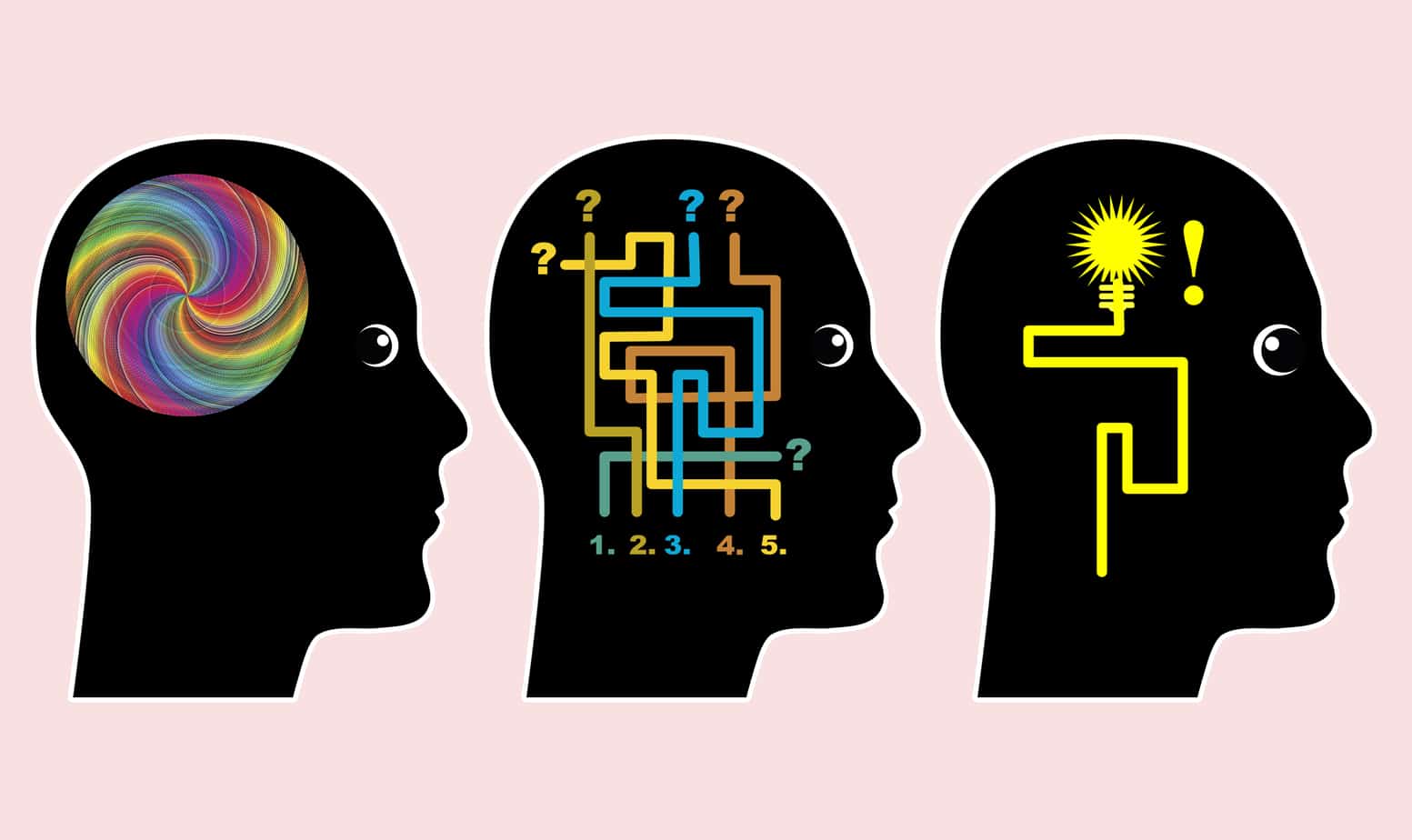
Understanding the science behind laughter reveals its profound impact on learning retention. When we laugh, our brains release a cocktail of neurotransmitters, including dopamine and endorphins, which enhance our mood and motivation. This biochemical response not only makes the learning environment more enjoyable but also helps to create stronger neural connections. Consequently, when humor is integrated into educational contexts, it serves as a memorable anchor for information, facilitating better recall. According to research, students exposed to humorous content tend to have higher levels of engagement and enthusiasm, which are critical factors in effective learning.
Moreover, laughter promotes social bonding among learners, fostering a collaborative atmosphere that is conducive to knowledge sharing. When learners share a laugh, they create a sense of community and trust, leading to increased participation in discussions and group activities. This interactive dynamic is vital, as students are more likely to absorb and retain information when they feel comfortable and connected. In essence, leveraging humor in educational settings not only heightens learning retention but also cultivates a positive and enriching learning experience.
Counter-Strike is a popular tactical first-person shooter game that has captivated millions of players worldwide. Known for its competitive gameplay and team-based strategy, it has generated a robust esports scene. For players looking to enhance their gaming experience, consider checking out the Top 10 iPad Accessories for Kids that can improve comfort and performance while playing.
Laughing Matters: Effective Techniques to Incorporate Humor in the Classroom
Incorporating humor in the classroom can transform the learning environment by making it more engaging and memorable. Educators can employ various techniques to add a sprinkle of laughter to their lessons. For instance, using funny anecdotes or relevant jokes can help break the ice and make students feel more comfortable. Interactive games that involve some level of humor are also effective, as they not only promote teamwork but also lighten the mood. Additionally, educators might consider the use of comical videos or cartoons that align with the subject matter, providing students with a fresh perspective while ensuring they are entertained.
Moreover, timing is crucial when it comes to utilizing humor in a classroom setting. Grabbing students' attention during transitions or after a challenging topic can re-energize the atmosphere. Teachers can also encourage students to share their own humorous experiences related to the lesson, fostering a sense of community and allowing for personal connection. Ultimately, integrating humor should be done thoughtfully to maintain respect and inclusivity among all students, ensuring that everyone feels comfortable and participates. By implementing these techniques, educators can remarkably elevate the educational experience and make learning a lot more enjoyable.
Can Laughter Boost Creativity? Exploring the Link Between Humor and Innovation in Education
Laughter has long been regarded as a powerful tool for enhancing creativity. In educational settings, the infusion of humor can significantly alter the learning environment, fostering a culture of innovation. When students engage in laughter, they experience reduced stress and improved mood, which can lead to enhanced cognitive functions. According to research, laughter stimulates the brain's reward system, releasing neurotransmitters like dopamine that are closely linked to creative thinking. This interplay suggests that integrating fun and humor into lessons may not just lighten the atmosphere but could also spark new ideas and innovative solutions to complex problems.
Moreover, the relationship between humor and innovation in education is also reflected in collaborative settings. When teams and class members share laughs, they tend to communicate more openly, generating a safe space for brainstorming and creative exploration. As noted by experts, humor can act as a social lubricant, breaking down barriers and encouraging participants to think outside the box. This synergy of laughter and collaboration can ultimately lead to a greater willingness to experiment and embrace failure as part of the creative process. Therefore, fostering a humorous environment in educational institutions can be a strategic approach to unlocking students' potential for innovation.