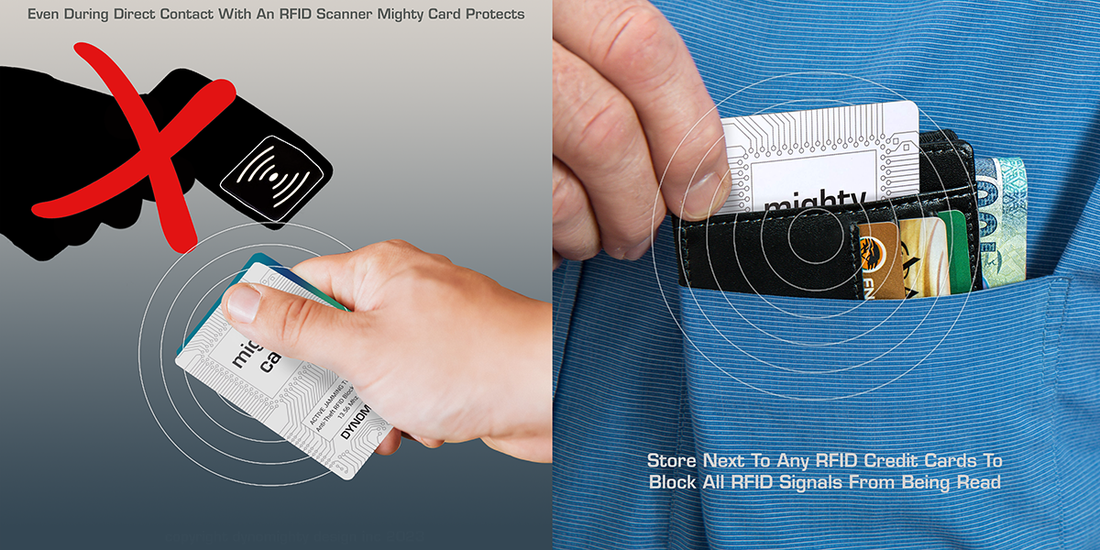
What is RFID Blocking and How Does It Protect Your Wallet?
RFID Blocking refers to the use of specialized technology designed to prevent unauthorized access to the radio frequency identification (RFID) signals emitted by certain credit cards, identification cards, and passports. These cards typically use RFID technology to facilitate contactless transactions, allowing consumers to make purchases simply by tapping their card near a payment terminal. However, this convenience comes with risks, as cybercriminals can use RFID readers to capture sensitive information from these cards without physical contact. By using RFID blocking materials in wallets and accessories, individuals can protect themselves against this type of electronic theft.
The way RFID blocking works is relatively simple but highly effective. Wallets, sleeves, and other protective gear are lined with materials, such as metal or specialized fabrics, that interfere with the signals emitted by RFID chips. This interference creates a barrier that prevents RFID readers from accessing the data stored on your cards. To enhance your security, consider investing in RFID-blocking products that have been tested and certified for effectiveness. By taking this precaution, you can ensure that your financial details remain safe and secure, even in a busy environment.
Counter-Strike is a popular first-person shooter game that has been a staple in competitive gaming since its release. Players can choose to be either terrorists or counter-terrorists, working together to complete objectives or eliminate the opposing team. If you're looking for a functional accessory while gaming on the go, check out the Top 10 iphone wallet cases that can keep your essentials organized.
The Importance of RFID Technology: Why You Need RFID-Blocking Wallets?
RFID (Radio Frequency Identification) technology has revolutionized the way we interact with various systems, from inventory management to payment processing. Its ability to wirelessly transmit data has made it an essential tool for businesses and consumers alike. However, as we embrace the convenience of RFID, we must also remain vigilant about our privacy and security. RFID-blocking wallets have emerged as a critical line of defense against the potential threat of unauthorized data access. These specially designed wallets protect your sensitive information stored on RFID-enabled cards from being scanned without your permission.
Investing in RFID-blocking wallets is not just a trend; it’s a proactive measure for safeguarding your financial assets and personal information. Consider that many modern credit and debit cards, along with identification cards, contain RFID chips that can be exploited by pickpockets equipped with the right tools. By using an RFID-blocking wallet, you can ensure that your cards are shielded from unsolicited scans and identity theft. In a world where digital security is paramount, having a reliable barrier against potential threats is essential for anyone looking to protect their personal data.
Top 5 Myths About RFID Blocking Debunked
Several myths surround the use of RFID blocking technology, leading to confusion among consumers. One common misconception is that RFID blocking wallets and sleeves are only necessary for high-end credit cards. In reality, many identification cards, transit passes, and even smartphones can emit radio frequency signals that are susceptible to unauthorized scanning. As a result, investing in RFID protection can be a wise choice for anyone who values their personal data security.
Another myth is that all RFID-blocking products are created equal. While some accessories claim to provide protection, they can vary significantly in effectiveness. It’s important to research and choose products from reputable manufacturers that are tested and certified for RFID blocking functionality. Whether you opt for a wallet or a card sleeve, ensure that the item you choose has been properly vetted to prevent unwanted RFID scans and safeguard your sensitive information.