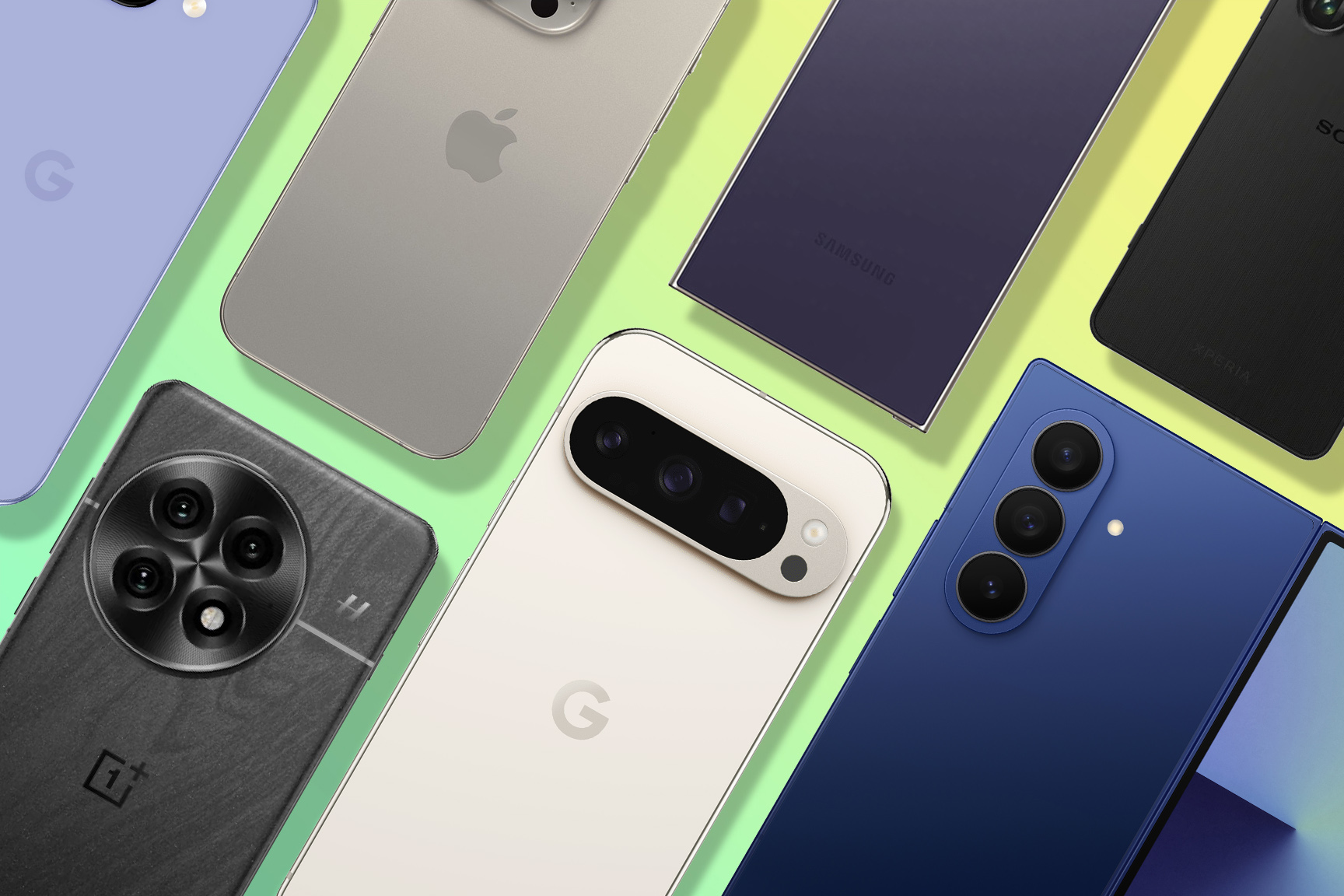
How Smartphones Have Transformed Communication and Connection
The advent of smartphones has revolutionized how we communicate and connect with one another. Gone are the days when making a phone call or sending a handwritten letter were the primary means of keeping in touch. Today, we can send instant messages, share photos, and even make video calls with just a few taps on a screen. This level of connectivity has not only bridged geographical gaps but has also enabled people to maintain relationships regardless of distance. In fact, a recent study shows that over 80% of users feel more connected to their friends and family due to the ease of communication afforded by smartphones.
Moreover, the rise of social media platforms accessed through smartphones has further enhanced our ability to connect. These platforms facilitate interactions that are not just limited to personal relationships but also foster communities based on shared interests, goals, or causes. As we navigate through our daily lives, we can engage with diverse groups, participate in discussions, and even collaborate on projects from anywhere in the world. This transformation in communication reflects a significant shift in societal norms, impacting how we perceive connection and community in the digital age.
Counter-Strike is a highly popular first-person shooter game that focuses on teamwork and strategy. Players can choose to be part of the terrorist or counter-terrorist team, engaging in various objective-based scenarios. In addition to the competitive gameplay, gamers often search for the best gear to enhance their experience. Check out the Top 10 Samsung Galaxy Ultra Accessories to find items that can enhance your mobile gaming experience.
The Evolution of Smartphones: From Brick Phones to Pocket Computers
The evolution of smartphones can be traced back to the early 1980s with the introduction of the first brick phones. These bulky devices, characterized by their large size and weight, were primarily designed for making calls and had limited features. As technology advanced, the 1990s ushered in a new era of communication with the launch of devices like the IBM Simon, which was one of the first smartphones to incorporate a touchscreen, email capabilities, and apps. This marked the transition from simple mobile phones to more sophisticated, multifunctional devices.
Fast forward to the 21st century, the arrival of the Apple iPhone in 2007 truly revolutionized the smartphone industry. It introduced a sleek design and a user-friendly interface that paved the way for the modern smartphones we know today. Features like high-resolution cameras, powerful processors, and access to a plethora of applications transformed these gadgets into pocket computers. Today, smartphones not only serve as communication tools but as essential devices for everyday tasks—ranging from navigation and online shopping to photo editing and gaming—demonstrating just how far we've come since the days of the brick phone.
Are Smartphones Making Us Smarter or More Dependent?
The debate around whether smartphones are making us smarter or more dependent is ongoing. On one hand, smartphones provide instant access to a wealth of information, educational apps, and platforms that can enhance our learning and cognitive abilities. For instance, tools like language translation apps, online courses, and productivity tools can facilitate knowledge acquisition and improve time management. It’s no wonder that many argue that smartphones are an extension of our intellectual capabilities, helping us make informed decisions and remain connected with the world.
On the other hand, the constant reliance on smartphones can lead to a sense of dependency that limits our own cognitive skills. Many people have experienced moments where they struggle to recall basic information because they know their smartphone can supply it at any moment. Furthermore, excessive screen time can impact mental health and reduce face-to-face interactions. According to recent studies, over-reliance on smartphones can disrupt our attention span and critical thinking skills, raising questions about the long-term implications of such dependency.