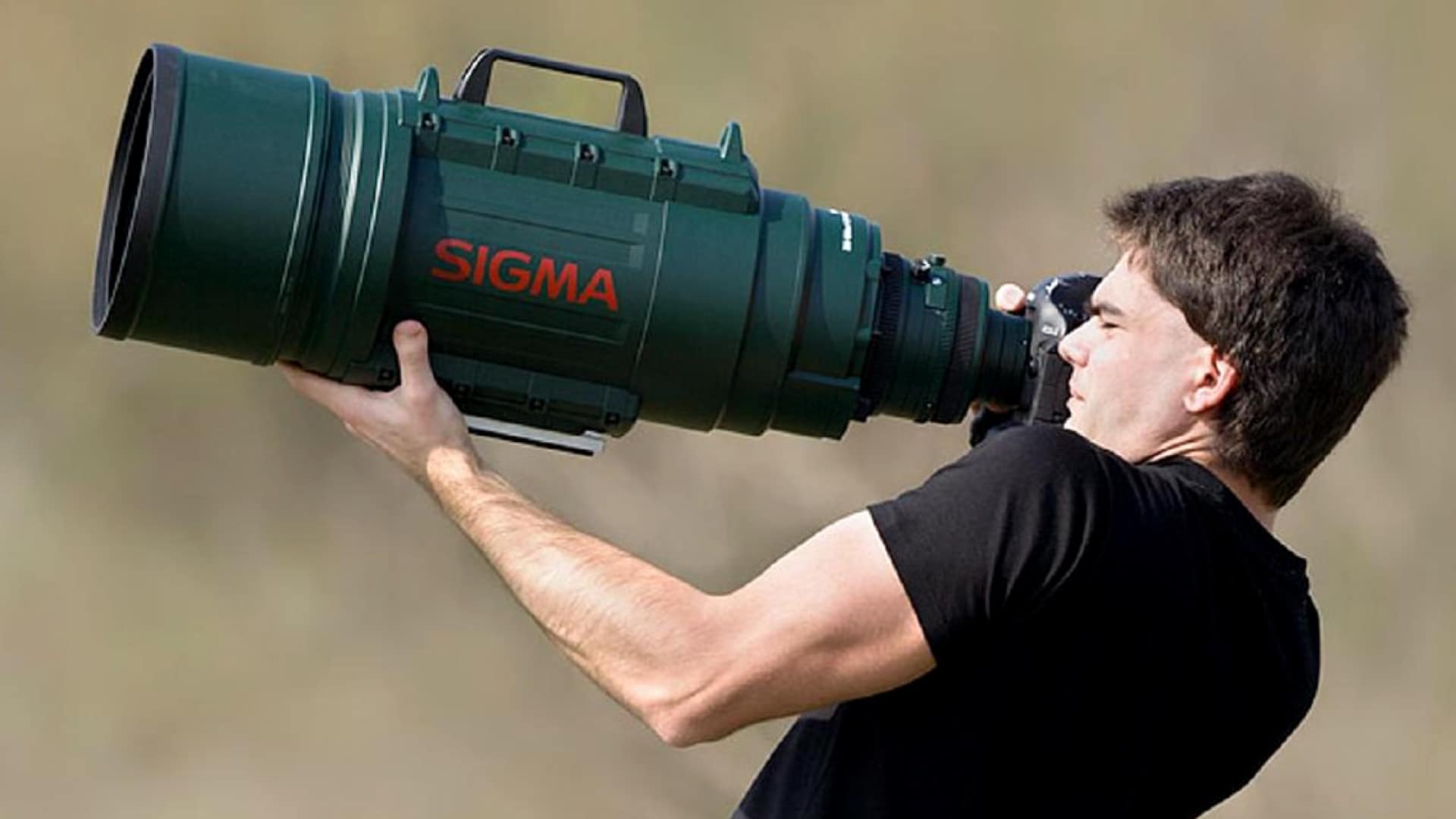
Mastering Compression: How Telephoto Lenses Alter Perspective in Photography
When it comes to photography, telephoto lenses play a crucial role in mastering the art of compression. Unlike standard lenses, telephoto lenses allow photographers to capture distant subjects with remarkable clarity while simultaneously compressing the foreground and background elements in a scene. This effect creates a unique visual perspective that enhances the subject's prominence, making it an excellent choice for portrait and wildlife photography. By using a telephoto lens, the photographer can maintain a significant distance from the subject, thus ensuring a candid capture while achieving stunning depth of field.
Additionally, telephoto lenses can transform ordinary landscapes into captivating images by eliminating distracting background elements and drawing attention to the focal subject. The ability to compress distances means that features in the background appear closer to the subject, creating a sense of intimacy and connection that is difficult to achieve with wide-angle lenses. This perspective alteration not only helps in storytelling but also serves to evoke emotions in viewers. Understanding how to effectively utilize telephoto compression can elevate your photography to new heights, showcasing a mastery of perspective that resonates with audiences.
Counter-Strike is a popular first-person shooter game that emphasizes teamwork and strategy. Players can choose to be part of either the Terrorist or Counter-Terrorist team, each with unique objectives. For those interested in mobile photography, you might want to explore the Top 10 iPhone camera lenses to enhance your skills. The game's various modes and maps keep the gameplay fresh and engaging for players worldwide.
10 Stunning Telephoto Techniques to Elevate Your Landscape Photography
Landscape photography often evokes thoughts of wide vistas and sweeping views, but utilizing a telephoto lens can elevate your images in remarkable ways. By compressing the scene and isolating subjects, telephoto lenses enable photographers to capture intricate details and create stunning compositions. Here are 10 stunning telephoto techniques that can transform your landscape photography:
- Isolate Subjects: Use your telephoto lens to focus on unique elements in the landscape, such as a lone tree on a distant hill or the texture of a mountain's ridgeline.
- Layering: Create depth in your composition by including multiple layers, drawing attention to the foreground while softly blurring the background.
- Soft Backgrounds: A telephoto lens allows for a shallow depth of field, turning busy backgrounds into smooth, unobtrusive backdrops that emphasize your primary subject.
- Capturing Distant Details: Use your lens to capture fine details from afar, such as wildlife or the subtle interplay of light on distant peaks.
- Compression Effects: Take advantage of the lens's compression characteristics, making elements appear closer together, which can lead to striking vistas.
- Shapes and Patterns: Focus on the shapes and patterns created by land formations or clouds, revealing abstract and artistic aspects of your landscapes.
- Golden Hour Portraits: Use a telephoto lens during golden hour to capture portraits of landscape features with warm, flattering light.
- Framing: Use natural elements in the foreground to frame your subject, giving it more prominence and drawing the viewer's eye.
- Dynamic Weather Shots: Capture scenes with dramatic weather by condensing the landscape, emphasizing the intensity of storm clouds or sunlight.
- Intimate Landscapes: Seek out intimate landscapes where the details communicate a sense of place, allowing viewers to connect emotionally with your images.
What Are the Best Practices for Using Telephoto Lenses in Wildlife Photography?
When it comes to wildlife photography, utilizing a telephoto lens can make a significant difference in capturing stunning images from a distance. One of the best practices for using telephoto lenses is to maintain a steady hand or use a tripod to minimize camera shake. This is especially important because telephoto lenses amplify any movement, resulting in blurry photos. Additionally, adjusting your camera settings to a faster shutter speed can help freeze the motion of the subject, whether it's a bird in flight or an animal in motion.
Another critical technique is to pay attention to the composition of your shots. Use the rule of thirds to place your subject in a more dynamic part of the frame, allowing for a more engaging photo. Also, consider the background; a cluttered backdrop can distract from your subject. To enhance your wildlife photos further, remember to practice patience. Wait for the perfect moment when the animal behaves naturally, which often results in a much more compelling image. By following these best practices, you can effectively leverage telephoto lenses to elevate your wildlife photography.