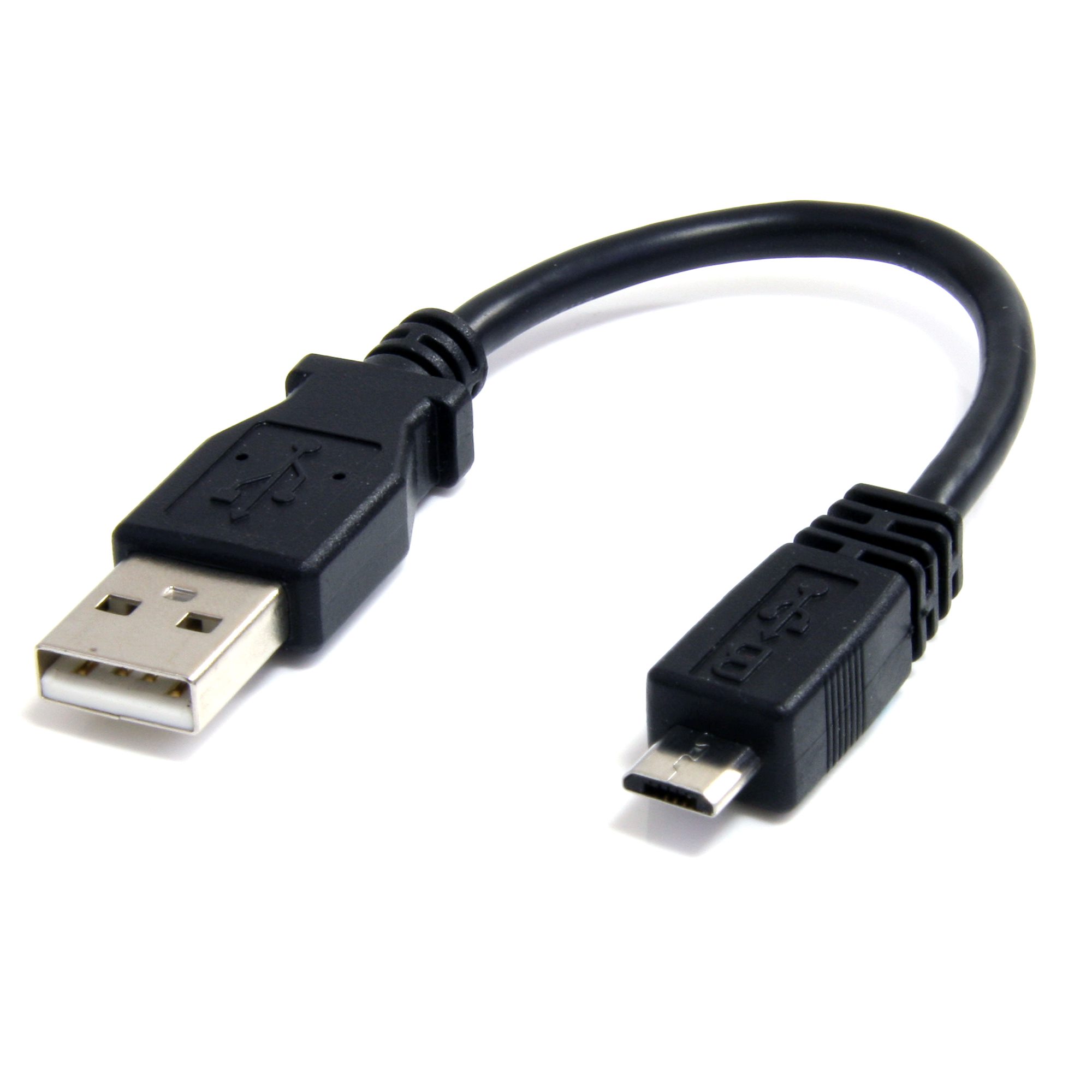
The Evolution of USB: From 1.0 to USB-C and Beyond
The Universal Serial Bus (USB) standard has revolutionized the way we connect devices since its inception in 1996. USB 1.0, with a maximum data transfer rate of 1.5 Mbps, laid the groundwork for a wide array of peripherals, from keyboards to external drives. As technology advanced, USB 2.0 emerged in 2000, offering a significant speed boost of up to 480 Mbps, making it feasible to connect more demanding devices like digital cameras and external hard drives. The introduction of USB 3.0 in 2008 further accelerated the evolution with data transfer rates reaching up to 5 Gbps, catering to the growing needs for faster data transfer and charging capabilities.
Today, the latest iteration, USB-C, represents a merging of functionality and convenience. Unlike its predecessors, USB-C features a reversible design and can deliver power, data, and video through a single cable, supporting up to 10 Gbps with USB 3.1 and even up to 40 Gbps with Thunderbolt 3. This versatility makes USB-C the preferred connection for modern devices, including smartphones, laptops, and even some gaming consoles. As we look toward the future, it's clear that USB technology will continue to evolve, potentially enabling faster charging and data transfer rates while minimizing the hassle of cables.
Counter-Strike is a popular tactical first-person shooter (FPS) game that emphasizes teamwork and strategy. Players compete in various modes, often focusing on objectives like defusing bombs or rescuing hostages. If you want to learn about essential equipment for gaming, check out the Top 10 charging stations to keep your devices powered during intense matches.
10 Essential Uses for USB Devices in Your Daily Life
USB devices have become an integral part of our daily lives, offering a wide range of uses that enhance productivity and convenience. One of the most essential uses is data storage. USB flash drives allow users to keep important files and documents portable, making it easy to transfer data between computers or share it with colleagues. Additionally, external hard drives provide a reliable solution for backing up large amounts of data, ensuring that your precious information is safe and accessible whenever needed.
Another significant use of USB devices is for charging various electronic gadgets. With the universal USB connection, you can charge smartphones, tablets, and even some laptops using a single power adapter. This not only reduces the number of cables you need to carry but also simplifies the charging process. Furthermore, USB hubs enable you to connect multiple devices at once, making it easier to manage your electronic ecosystem whether at home, in the office, or on the go.
How to Choose the Right USB Cable for Your Needs
Choosing the right USB cable can significantly enhance your device's performance and charging capabilities. When selecting a cable, consider factors such as compatibility, length, and type. For instance, USB-C cables offer faster data transfer and charging compared to their USB-A counterparts. Consider the following key points when evaluating your options:
- Device Compatibility: Ensure the cable is compatible with the devices you intend to use.
- Data Transfer Speed: Review the specifications for speed ratings like USB 2.0, 3.0, or 3.1.
- Cable Length: Choose a length that fits your setup without creating clutter or strain on the connectors.
Additionally, durability is crucial in determining how long your cable will last. Look for features such as reinforced connectors and braided cables that resist wear and tear. Moreover, it's wise to check for customer reviews and ratings to gauge the performance and reliability of a cable before making a purchase. By taking into account these aspects, you can ensure that you choose a USB cable that not only meets your needs but also provides long-term value.