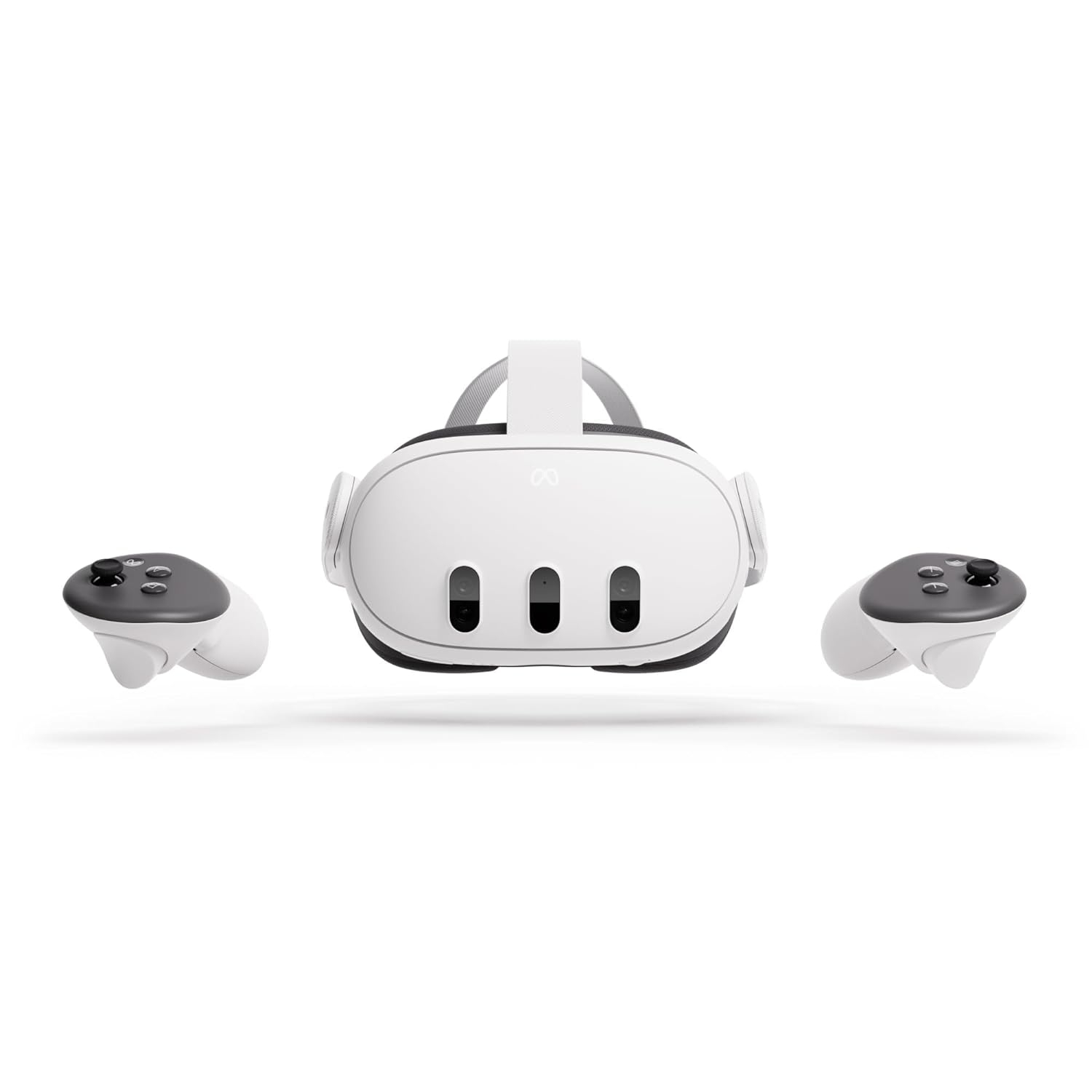
Exploring the Immersive World of Virtual Reality: A Beginner's Guide
Virtual reality (VR) has transformed the way we interact with digital content, immersing users in lifelike environments that stimulate the senses. As a beginner exploring the **immersive world of virtual reality**, it is essential to understand the basic components that make up this innovative technology. Headsets, such as the Oculus Rift and HTC Vive, are the most recognizable devices that transport users into virtual realms. Additionally, there are motion controllers and haptic feedback devices that enhance the experience by enabling intuitive interactions within these simulated environments. To get started, consider the following:
- Choose a VR headset that fits your needs and budget.
- Familiarize yourself with the various types of VR content available.
- Set up a safe space for experiencing virtual reality.
Once you've established your VR setup, the next exciting step is to explore the plethora of applications available. Whether you’re interested in gaming, education, or virtual travel, there’s something for everyone in the **immersive world of virtual reality**. Popular VR games like Beat Saber and Half-Life: Alyx provide thrilling experiences that are sure to captivate newcomers. On the educational front, platforms like Engage allow users to participate in virtual classrooms and interactive lessons, pushing the boundaries of traditional learning. As you dive deeper into VR, take the time to discover community forums and resources where you can connect with other users and exchange tips to enhance your experience.
Counter-Strike is a popular multiplayer first-person shooter game that has captured the attention of gamers worldwide. Players join either the terrorist or counter-terrorist team, battling in various maps and objectives. For those looking to enhance their gaming experience, check out the Top 10 apple vision pro accessories.
How VR is Revolutionizing Entertainment: From Gaming to Virtual Tours
Virtual Reality (VR) is transforming the landscape of the entertainment industry by offering unprecedented experiences that were once the stuff of dreams. The gaming sector has been at the forefront of this revolution, with VR technology enabling players to immerse themselves in lifelike worlds. Unlike traditional gaming, where interaction is limited to screens and controllers, VR gaming allows users to engage with their environments in a three-dimensional space, enhancing the overall appeal and excitement of gameplay. Popular titles like 'Beat Saber' and 'Half-Life: Alyx' showcase how VR can deliver thrilling adventures that captivate gamers in ways never experienced before.
Beyond gaming, VR is paving the way for innovative forms of entertainment, such as virtual tours and interactive experiences in art galleries, historical sites, and even concert venues. With VR, users can step into the shoes of a traveler and explore distant places without leaving their homes. For instance, platforms like Google Arts & Culture offer virtual museum tours that provide a rich narrative experience, allowing people to appreciate art and history interactively. As VR technology continues to advance, it is set to redefine our understanding of entertainment, making it more engaging, immersive, and accessible than ever before.
What Are the Mental Health Benefits of Taking a Break in Virtual Reality?
Taking a break in Virtual Reality (VR) offers a plethora of mental health benefits that are increasingly recognized by both users and mental health professionals. VR environments provide a unique way to experience immersive relaxation techniques, allowing users to disconnect from the stressors of the outside world. This technological escape can lead to significant reductions in anxiety and stress levels, as individuals are transported to calming settings, such as serene beaches or tranquil forests. Studies have shown that just a few minutes in a VR setting can lead to lowered heart rates and improved mood, making it an effective tool for quick mental resets.
Moreover, Virtual Reality can facilitate mindfulness practices and cognitive behavioral therapy (CBT) in innovative ways. By simulating real-life scenarios, users can engage in exposure therapy techniques, which help them confront and manage their fears in a controlled environment. This has been particularly beneficial for individuals suffering from PTSD, phobias, or generalized anxiety. Additionally, VR can enhance social interactions for those with social anxiety, offering a safe space to practice communication skills. Ultimately, the mental health benefits of taking a break in Virtual Reality are profound, promoting well-being and improving overall quality of life.