10 Surprising Ways to Use Waterproof Materials Around the Home
Waterproof materials are often considered for their practical applications, but their versatility can surprise you. Here are 10 surprising ways to use waterproof materials around the home. First, you can create stunning outdoor furniture by using waterproof fabrics that resist fading and moisture. This ensures your patio pieces look great all year round, no matter the weather. Second, consider using waterproof paint in areas like the bathroom or kitchen for a chic, easy-to-clean surface. Not only does this make cleaning effortless, but it also adds an extra layer of protection against stains and water damage.
Additionally, waterproof materials can be a game changer in home organization. For instance, utilizing waterproof bins in your garage or shed can help keep your tools and supplies safe from moisture and rust. Another unexpected use is incorporating waterproof wallpaper in your designs, allowing you to create unique looks in moisture-prone areas without the worry of peeling or damage. Lastly, think about your pet’s needs—many waterproof pet beds and mats ensure that any accidents can be dealt with easily, ensuring your home remains clean and fresh.
Counter-Strike is a highly competitive first-person shooter game that has been a mainstay in the esports scene for many years. Players engage in team-based combat, where strategy and precision are crucial for success. If you're looking to protect your device while gaming, check out the Top 10 iPhone rugged cases to ensure your phone can withstand intense gaming sessions.
How Waterproof Technology is Revolutionizing Outdoor Gear
Outdoor enthusiasts have long faced the challenge of unpredictable weather, putting their gear to the test against rain, snow, and humidity. Waterproof technology has rapidly evolved, enabling manufacturers to create gear that not only withstands the elements but also enhances overall performance. Brands are now incorporating advanced materials like Gore-Tex and eVent, which offer breathability alongside water resistance. This innovation allows outdoor adventurers to stay dry and comfortable, effectively revolutionizing the way they engage with nature.
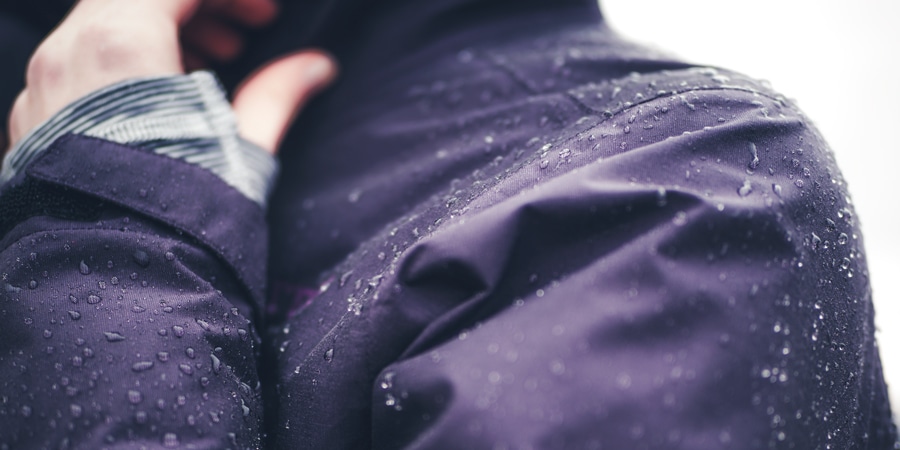
Moreover, the integration of waterproof technology in clothing, footwear, and accessories has shifted consumer expectations. Today, outdoor gear is designed to be functional, stylish, and durable. For instance, many jackets now feature sealed seams and water-repellent finishes, ensuring that moisture is kept at bay without sacrificing mobility. As a result, this gear not only enhances the outdoor experience but also boosts confidence, allowing adventurers to tackle any environment with ease.
Can Waterproof Products Be Eco-Friendly? Exploring Sustainable Options
The quest for waterproof products often leads consumers to believe that durability and functionality come at the expense of environmental sustainability. However, the market is increasingly witnessing a shift towards eco-friendly options that do not compromise on waterproofing capabilities. These products are often made from recycled materials or designed using sustainable practices, reducing their carbon footprint while still offering high performance. Notable innovations include the use of plant-based polymers and organic coatings, which provide excellent water resistance without the harmful effects of traditional synthetic materials.
Moreover, companies that prioritize sustainability in their waterproof offerings often adopt a lifecycle approach, ensuring that their products are fully recyclable or biodegradable at the end of their lifespan. For instance, brands are introducing waterproof bags and outdoor gear that utilize materials like recycled plastics and organic cotton. By choosing these sustainable options, consumers can enjoy the benefits of waterproof technology while contributing to a healthier planet. Eco-conscious consumers can make informed choices by looking for certifications and checking product end-of-life options, amplifying their impact on the environment.